
Be sure the person you assessed is the person you hire.
Live checks for face-swaps, virtual cameras and stand-ins protect your hiring decision, and every flag comes with evidence showing exactly what was seen and when.
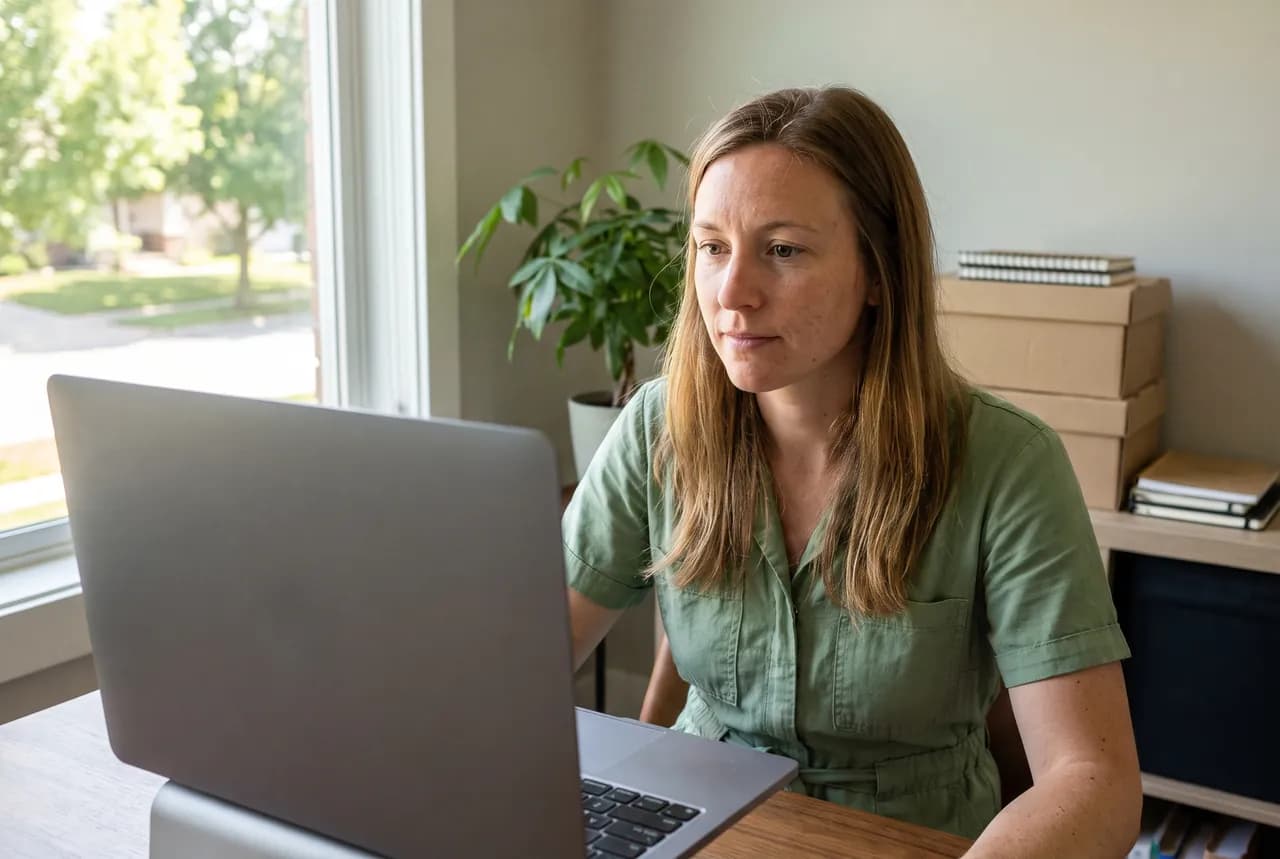
The tricks that fool a plain webcam
Face-swap and virtual cameras
We look for signs that the video you see is not the video the camera produced.
Voice cloning
In live interviews, synthetic or altered voices are flagged so a person can listen and judge.
Pre-recorded video
Replayed footage fails the live checks a real person passes without effort.
A different person
We compare who starts with who continues, so a stand-in cannot take over halfway.
Simple for candidates. Strict where it counts.
We keep the method at a high level on purpose. Detection details stay private so they cannot be gamed.
Check the camera
Before the test, we confirm the video is coming from a real camera.
Confirm the person
Short, friendly liveness prompts confirm someone real is present.
Keep checking
Light checks continue in the background so identity holds all the way through.
Flag with evidence
Anything unusual lands in your review queue with timestamps and context.
What a reviewer sees
When something looks unusual, it lands in your review queue with the context to judge it. The point is a fair decision by a person, not an alarm.
- A timeline of what was seen, with the time of each event
- A confidence level on every flag, never a bare accusation or a single pass or fail
- The evidence behind each flag, including photos when you switched them on
- Space for a reviewer's note, and a record of who decided what
- Nothing rejected automatically: a person looks and decides

The same checks in live interviews.
Identity does not stop at the test. During a live interview the interviewer sees a discreet status, never an interruption, and a report afterwards shows anything worth a second look.
- Detection details stay private, so they cannot be gamed
- Photos and recordings are kept only if you switch them on, and only for your retention period
- Candidates are told what is checked and why before they start, and agree to it
- No flag ever rejects anyone: a person reviews the evidence and decides
Accuracy and limitations
Detection improves every month, and so do the tools used to fool it. We report confidence levels rather than certainties, and we show you the evidence behind each flag.
Poor lighting, low-quality webcams and unstable connections can lower confidence. Those cases are labelled so they are not mistaken for fraud.
Human review stays in the loop. Next HR informs the decision; it never makes it for you.
We validate detection on labelled test sets and on outcomes confirmed by customer reviewers. We share methodology and results with customers during evaluation rather than quoting one headline number, because accuracy depends heavily on lighting, camera hardware and the kind of attack.
Part of one platform
Identity checks run alongside the assessment and feed the same evidence reviewers read.
Where identity matters most


Questions about deepfake detection
Hire the person you actually met.
Book a short walkthrough and see Next HR rank candidates against your role. We will tailor it to your hiring process.