Glossary: liveness check (presentation attack detection)
A check that tries to establish that a live person is present in front of a camera, not a photo, a recording or a mask. The standard behind it, the difference between presentation and injection attacks, why it does not prove identity and the fairness and legal cautions.
November 19, 2024

Key takeaways
- The technical term is presentation attack detection. ISO/IEC 30107 sets out terminology and testing.
- Liveness is not identity: it says someone live is present, not who.
- Injection attacks bypass the camera entirely, so liveness at the camera is not a complete defence.
In this article
Definition
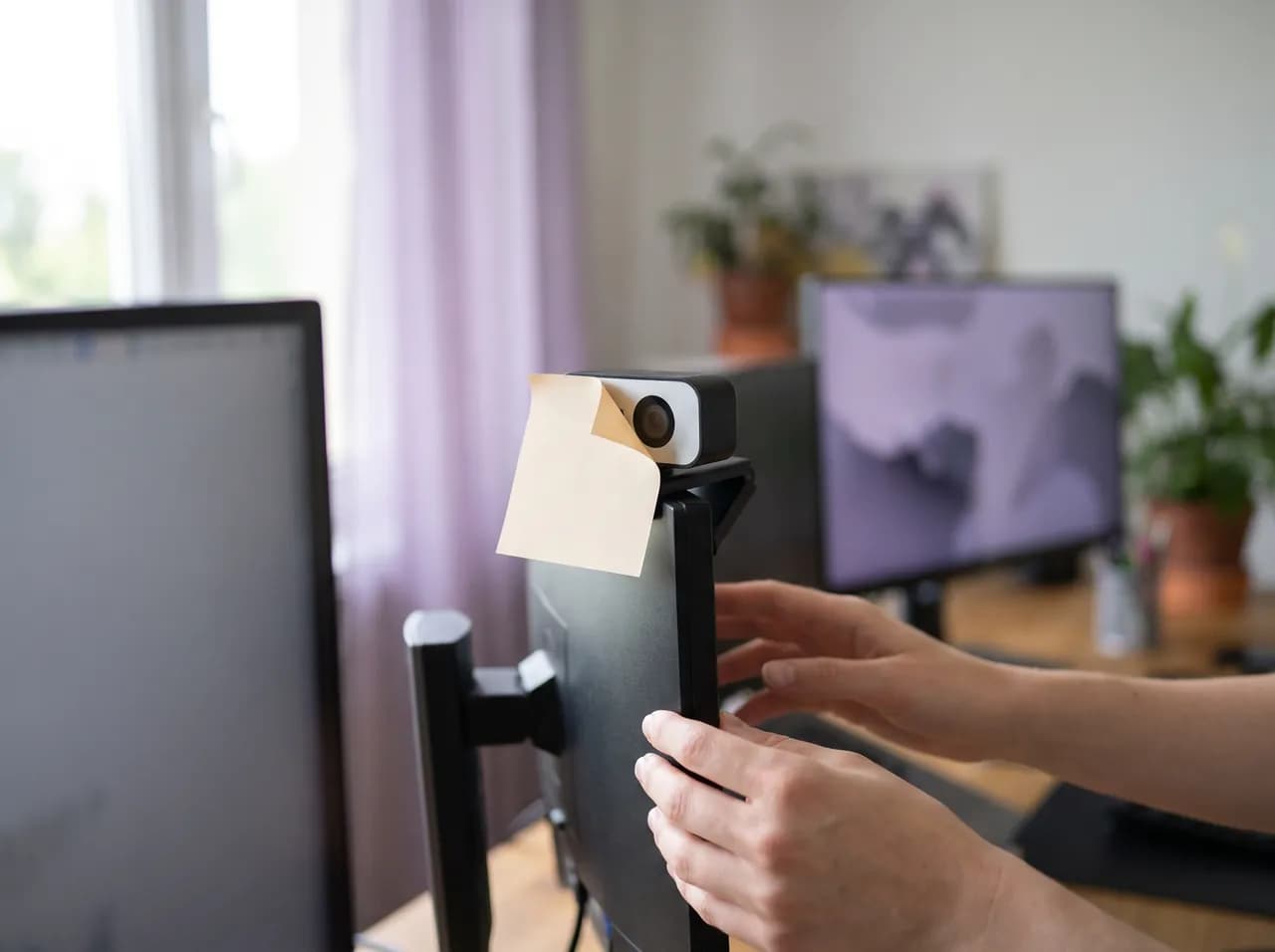
A liveness check tries to establish that the biometric sample, usually a face, comes from a live person present at the time, and not from a photograph, a video replay or a mask. The technical field is called presentation attack detection (PAD), and the ISO/IEC 30107 series of standards defines its terminology and testing methods.
Presentation attacks and injection attacks
| Attack | What happens | Defended by |
|---|---|---|
| Presentation attack | A fake is held up to the camera: a photo, a screen, a mask | Liveness (PAD) at the sensor |
| Injection attack | A fake video stream is fed into the software, bypassing the camera | Checks on the device and the data path; not liveness alone |
A virtual camera is a common route for injection. A liveness check that only analyses the image it receives cannot tell whether that image came from a physical camera.
How checks work in general
| Approach | Idea | Consideration |
|---|---|---|
| Active | Ask the person to do something, such as turn their head | Clear to the user; can be a barrier for some |
| Passive | Analyse the image for signs of a live subject | Easier for the user; harder to explain |
| Challenge-response | Ask for something unpredictable | Harder to prepare for in advance |
Liveness is not identity
A liveness check answers “is a live person here?”. Identity needs another step, such as comparing the face with a document or with an earlier image. In hiring, continuity across stages, the person at the interview matching the person at the assessment and at the first day, is often a more proportionate approach than any single check.
Cautions
- Biometric processing is tightly regulated in many places. Take advice before you use it.
- Detection is imperfect, and errors can fall unevenly across skin tones, lighting, cameras, disabilities and connections.
- Candidates should be told in advance and offered an alternative where feasible.
- A person should review any failure before it affects a decision.
Proportionality
For many roles a conversation in which the candidate explains their own work is a better and less intrusive check than any automated test. Reserve camera-based checks for roles whose risk justifies them.
Related terms
- Virtual camera: software that supplies an image in place of a physical camera.
- Assessment integrity: the wider aim.
About the author
Tobias Keller, Assessment integrity lead
Tobias works on keeping online assessments trustworthy without treating candidates as suspects: AI tools, identity, remote conditions and fair review of flags.